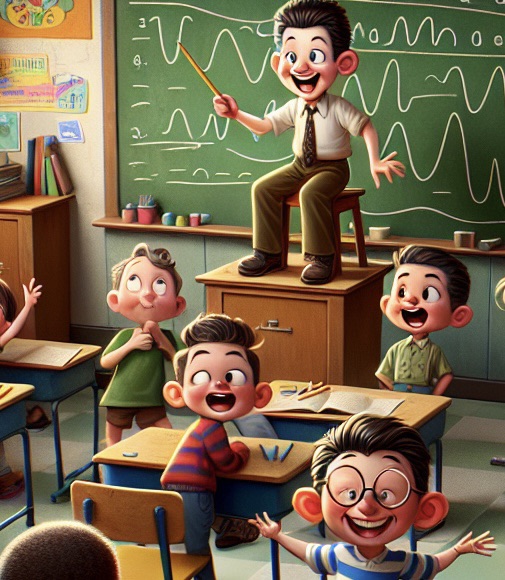
In a shocking revelation, educators across the nation are reeling after a deep dive into recently compiled data, with results that can only be described as “concerning.”
After months of rigorous analysis, educational professionals have come to a harrowing conclusion: today’s students are, quite simply, not intelligent. “Honestly, it’s asking our educators to teach a box of rocks,” said Dr. Karen Horowitz, a lead researcher at the National Center for Educational Studies. “We ran the numbers. We reviewed the metrics. And the results? It’s not good. If intelligence were a class, today’s students would be failing miserably.”
The data, compiled from a range of standardized tests, classroom assessments, and brain scans (which incidentally showed little to no activity), revealed that today’s youth are performing at an all-time low in every subject. Experts believe that this trend could have dire consequences for the future of education—unless, of course, they can somehow figure out how to teach a rock.

“At first, we thought it was a data error,” said Brad Matthews, a high school chemistry teacher who was part of the study. “But after reviewing the information again, we had to face the truth. This generation… they just don’t have it. In very simple terms, which are no longer appropriate to use anymore, they would be officially categorized as idiots. But, there really isn’t a better term. That is what they are.”

This lack of cognitive capacity has left teachers across the country flummoxed. Many are now questioning whether traditional teaching methods will even work on students who can’t seem to grasp basic concepts, like how to tie their shoes or distinguish between a noun and a verb. “It’s one thing when your students don’t understand algebra, or need specialized support due to a learning disability or some other cognitive need, but when they can’t even recognize a simple drawing of a cat or they end up spending hours gazing in dull amazement at the disgusting debris that exits their nose, you start to wonder if it’s time to pivot to something like… I don’t even know what? I feel like interpretive dance would be too complicated.” said Sarah Wellington, an elementary school teacher. “Maybe we can just put them in a room with colorful blocks and hope for the best.”
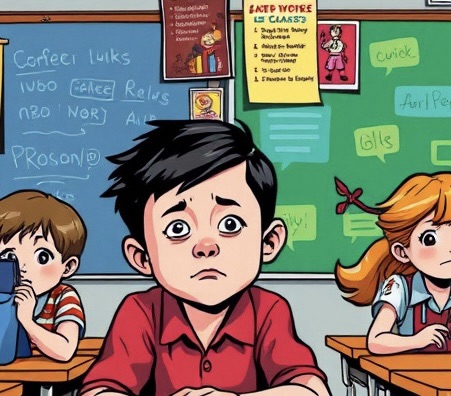
In a rare moment of clarity, the Department of Education released a statement acknowledging the situation, though it offered little in the way of solutions. “The data is clear: students today are not as sharp as we once thought,” said Education Secretary Linda McMahon. “Unfortunately, there isn’t much we can do. We’ve tried everything from mindfulness to glitter-infused learning materials, but the facts are in. It’s like trying to teach a toaster how to appreciate Shakespeare. We’ll keep trying, but no promises. Thankfully, my husband is working on a collaborative program where a new curriculum could be infused with World Wrestling Entertainment, Inc. This would help students gain basic skills, allowing them to potentially enter the world of wrestling. There are a number of possibilities. Hotdog vender to professional wrestler. The sky is the limit.”

However, a source within the Department of Education, requesting to remain anonymous, for fear of retribution, stated, “If you think this data looks bad… just wait. It’s a top down problem. I’m not talking about students. I’m not talking about teachers. I’m talking about the examples our youth have in leadership. And, our leadership has chosen to steer the Titanic… after it already hit the iceberg. The choices being made by this new leadership is the epitome of dumb and dumber than any of the students we’re up here talking about.”
Despite this grim outlook, some optimists still hold out hope that something can be done to salvage the situation. “We could try introducing chess or something,” said a hopeful teacher from Pennsylvania. “Or maybe start with just teaching them how to use a pencil?” For now, educators are considering the possibility of abandoning traditional methods altogether and focusing on more attainable goals. “We might just let them color outside the lines for the next few years and see if that works,” said one anonymous principal. “It’s about lowering expectations, which is not an idea, let alone a statement, I thought I would ever utter. But, it’s here and it’s real. Let’s just aim for functional.”
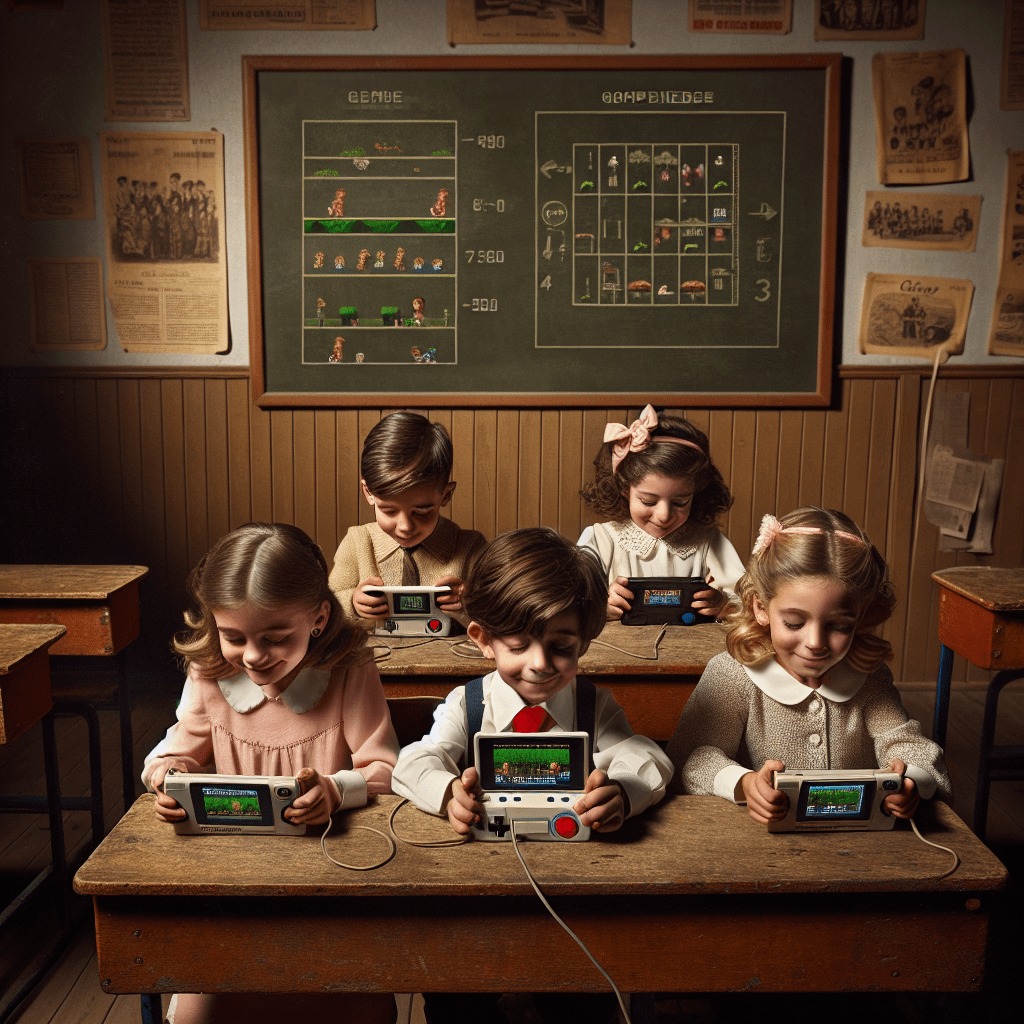
In the meantime, teachers across the nation are banding together to hold a “Best in Class” competition where the highest score will earn the coveted title of “Most Likely to Successfully Complete a Jigsaw Puzzle.” It’s a step forward—no matter how small. It’s problem solving. It’s about any form of growth.”

 FakeTruth4U
Leave a comment